“अरावली पर्वतमाला – परिभाषा, पहचान एवं पर्यावरण” समग्र विवेचना जरूरी
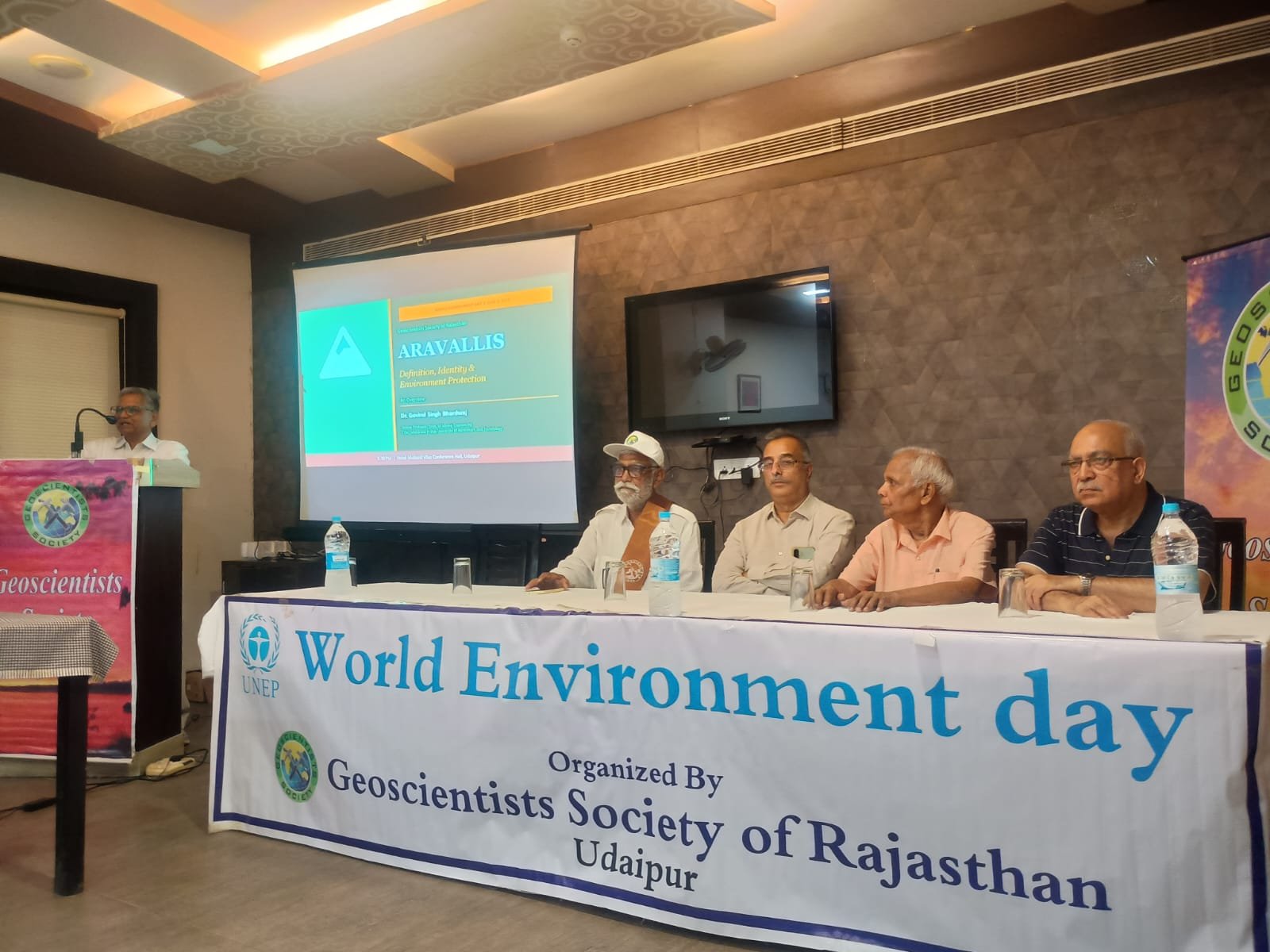
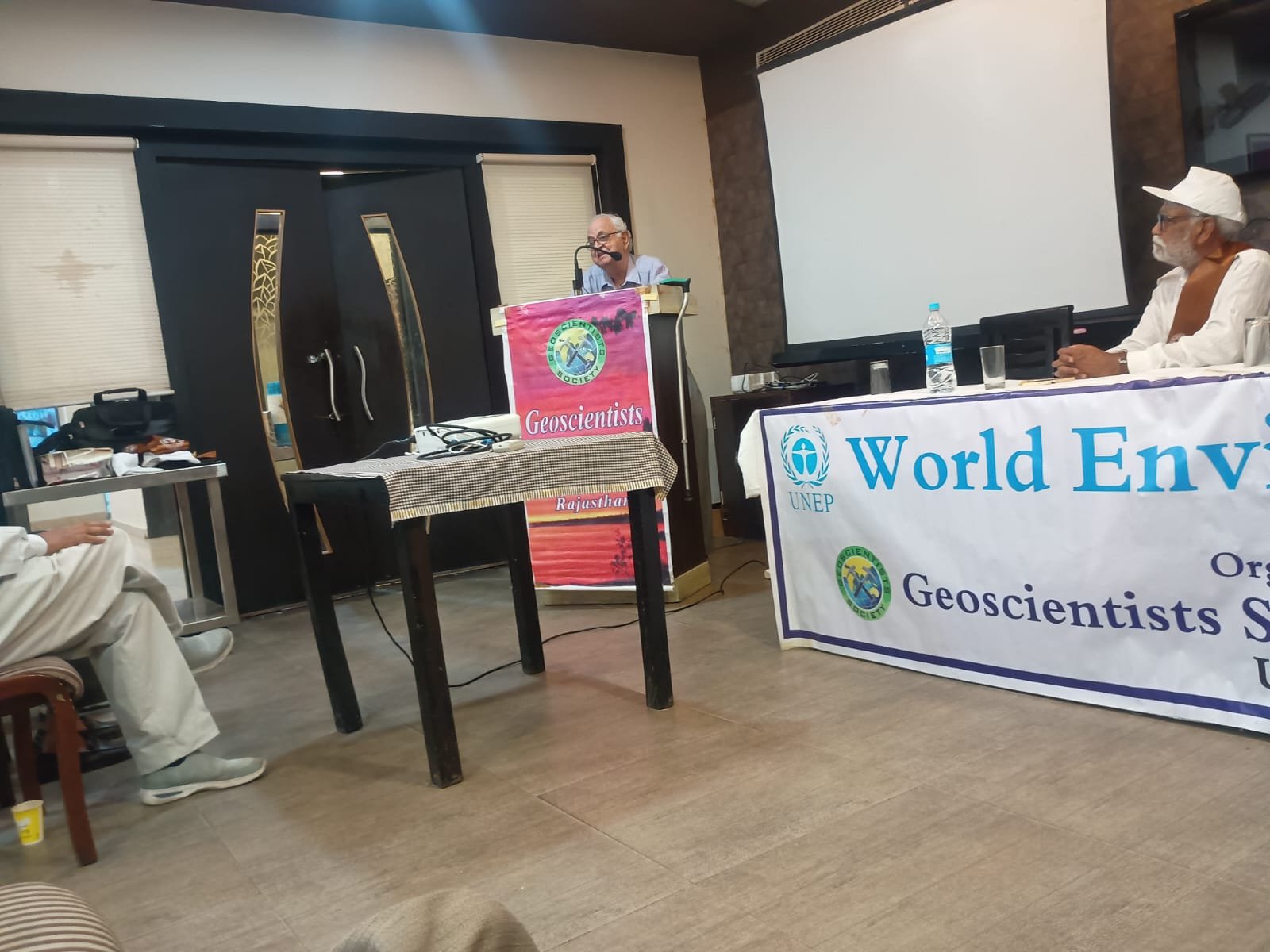
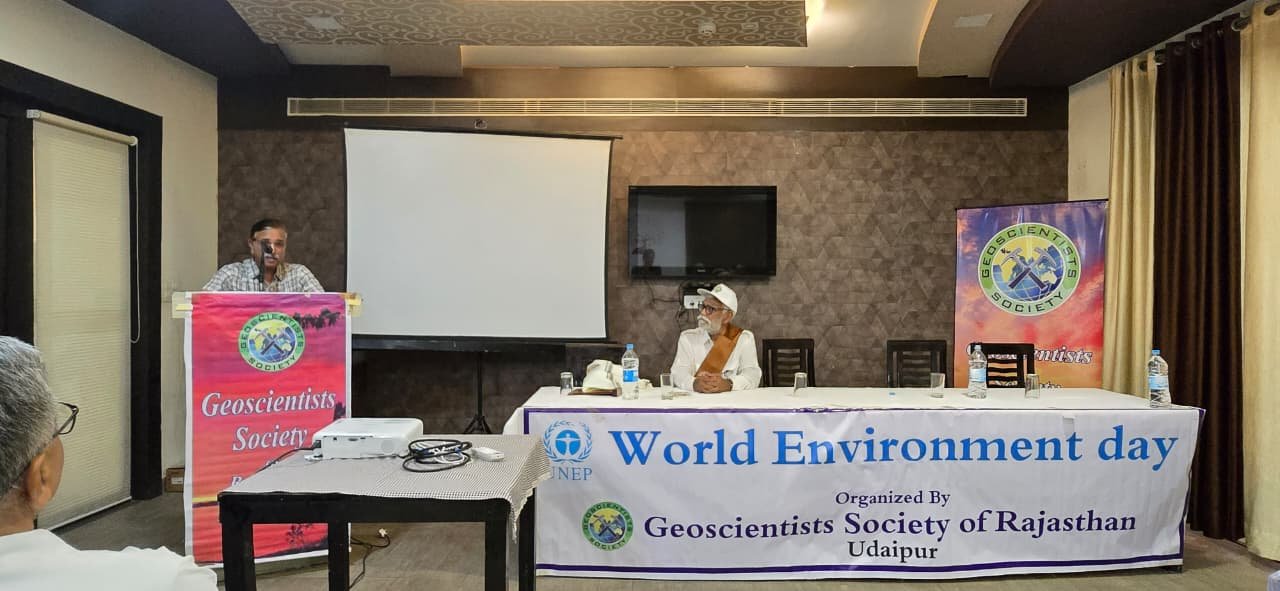
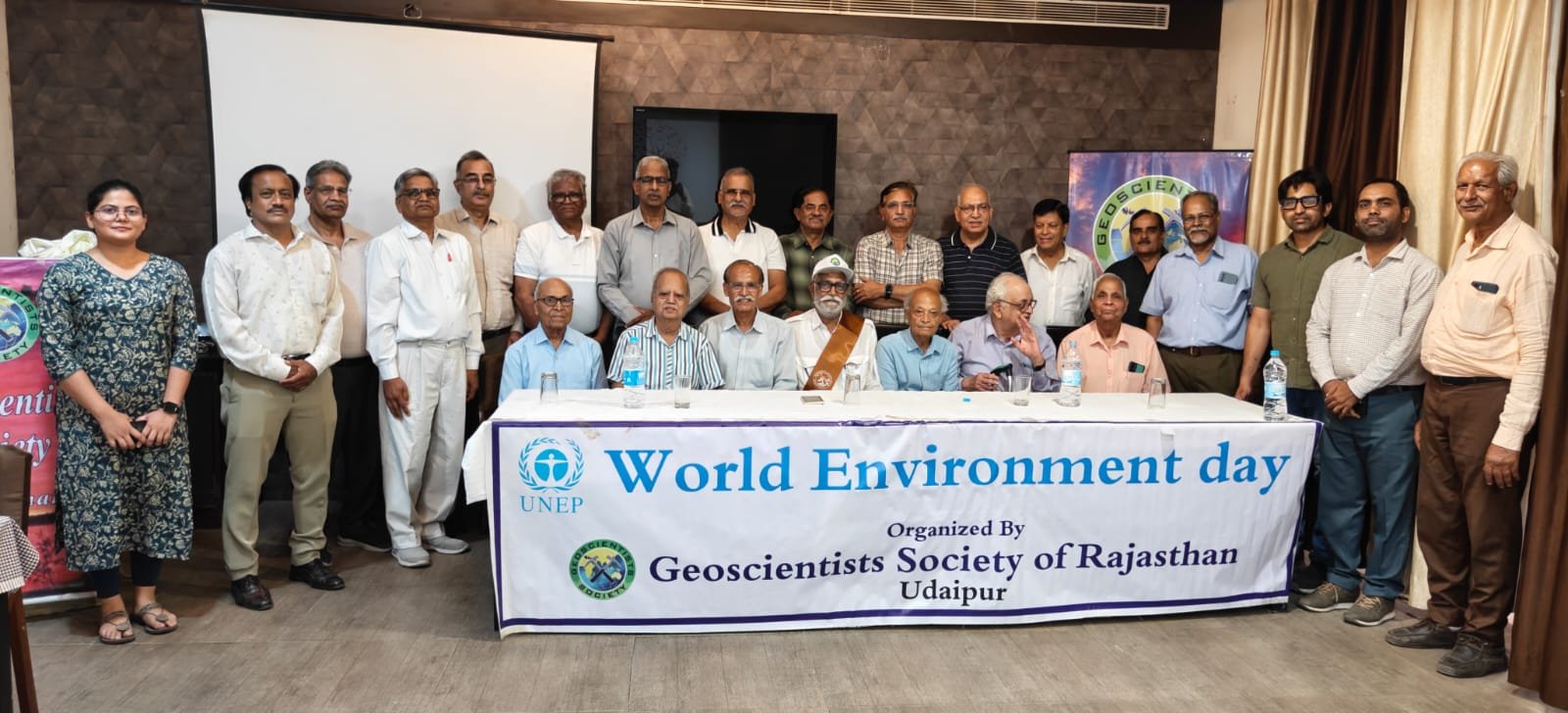
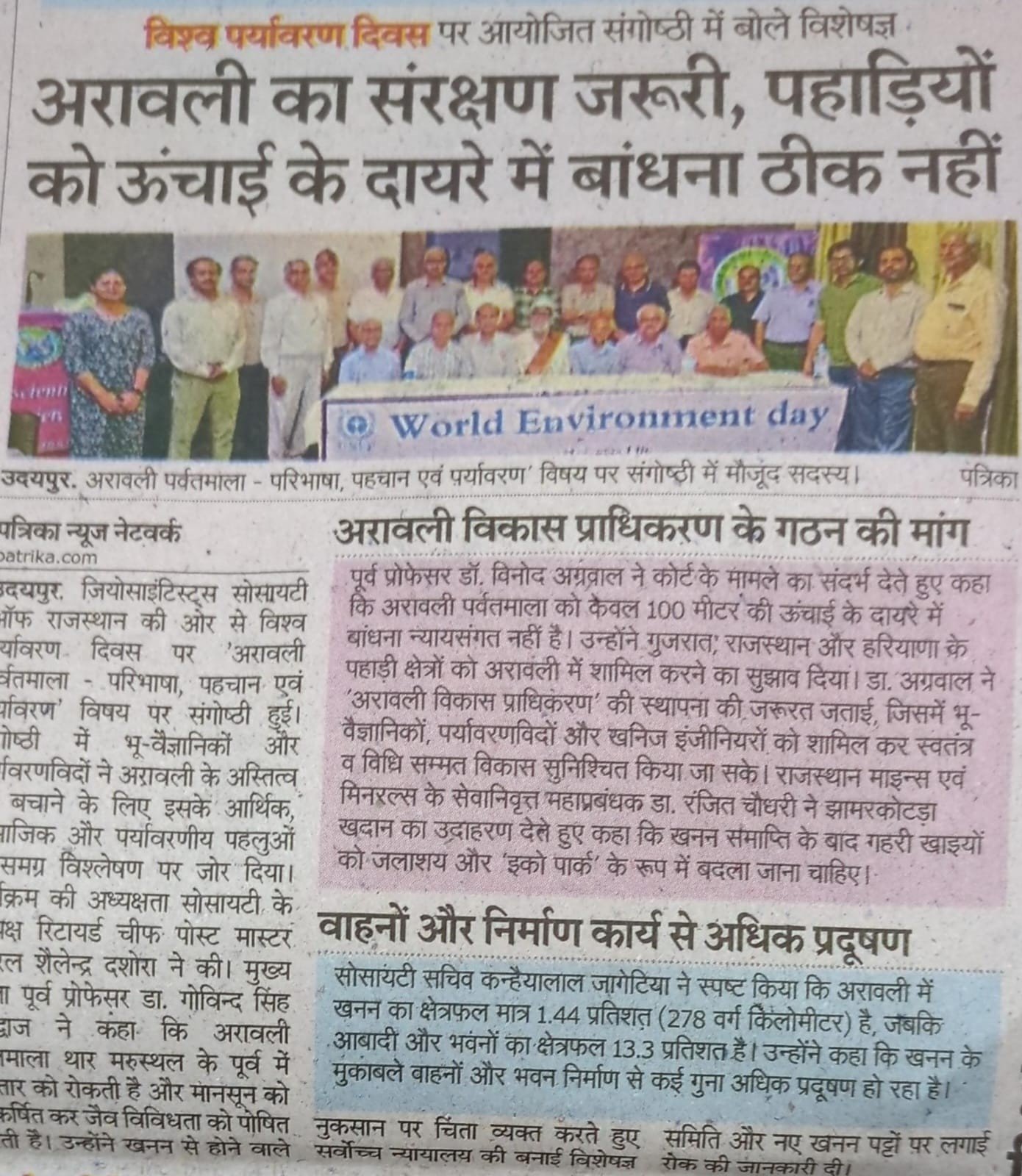
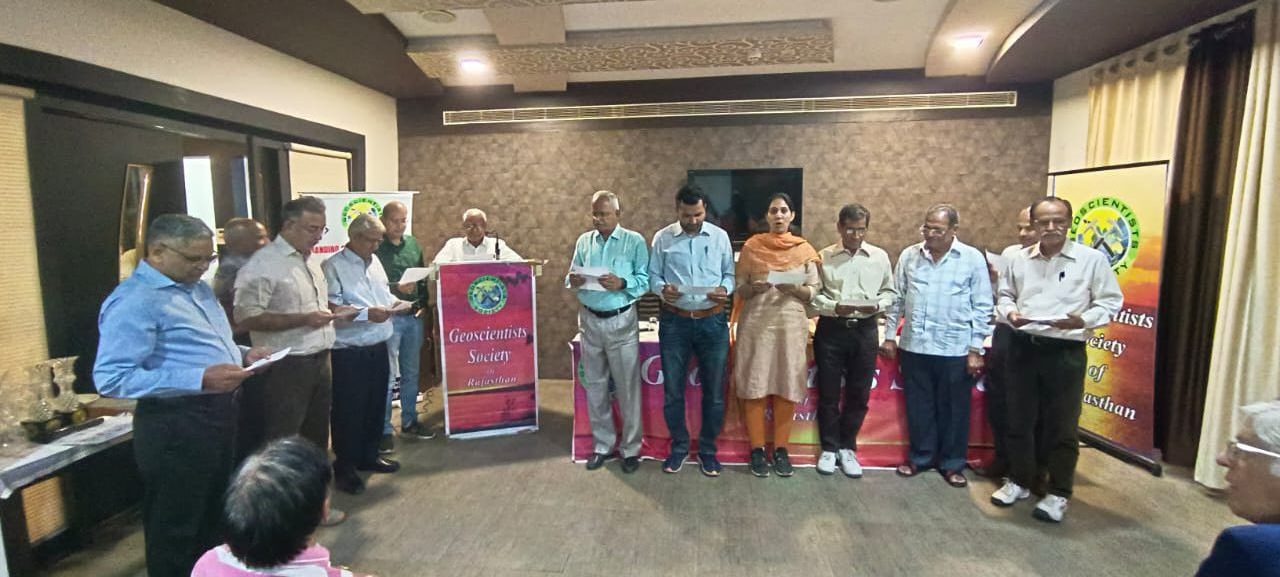
जियोसांईटिस्ट सोसायटी आफ राजस्थान ने 5 जून 2026 को “विश्व पर्यावरण दिवस” दिवस पर “अरावली पर्वतमाला – परिभाषा, पहचान एवं पर्यावरण” पर संगोष्ठी का आयोजन किया।
संगोष्ठी की अध्यक्षता सोसायटी के अध्यक्ष श्री शैलेन्द्र दशोरा (रिटायर्ड पोस्ट मास्टर जनरल) ने की, डा. रंजित चौधरी रिटायरर्ड जीएम आर एस एम एम, श्री आर एल मुंशी रिटायर डिप्टी डी जी जीएसआई, श्री नवल सिंह खमेसरा रिटायर डिप्टी डीजी डीएमजी एवं श्री सुरेश चन्द्र अग्रवाल रिटायर डिप्टी डीजी डीएमजी ने विशिष्ट अतिथि की भूमिका निभाई।
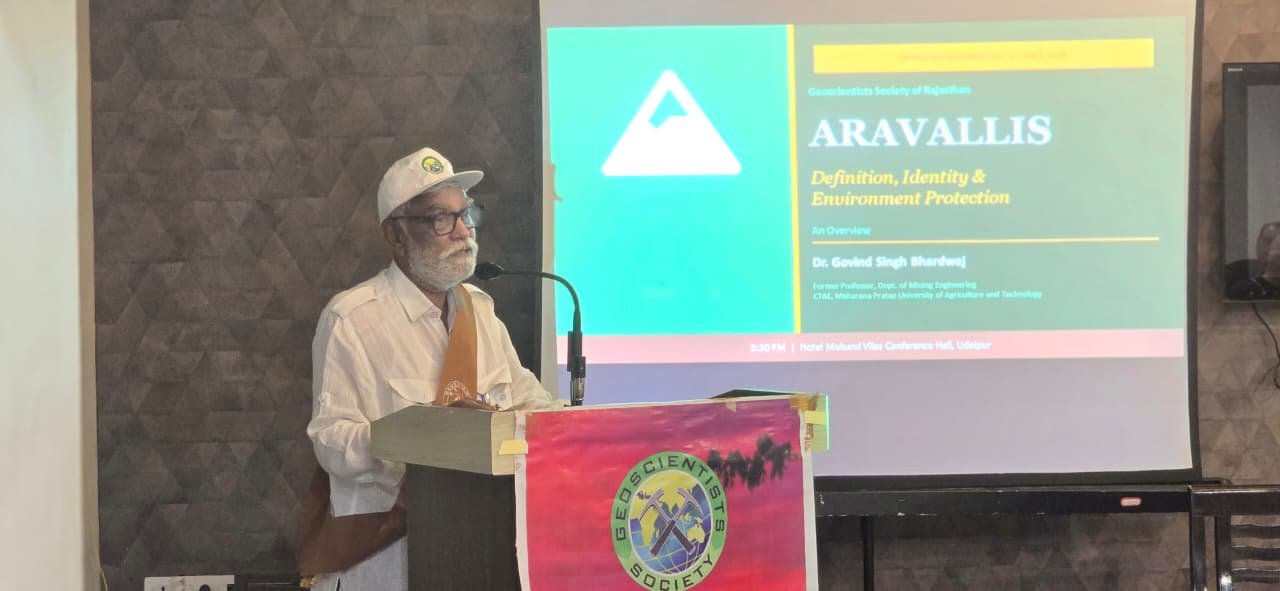
मुख्य वक्ता डा. गोविन्द सिंह भारद्वाज, पूर्व प्रोफेसर सीटीएई एवं शिक्षाविद् ने वार्ता में अरावली पर्वतमाला को राजस्थान की जीवन दायिनी के रूप में दर्शाया और राजस्थान के पर्यावरण में इनकी महत्वपूर्ण भूमिका को जीवंत किया। अरावली की परिभाषा को लेकर चल रहें वाद पर रोशनी डालते हुए उन्होंने अरावली की खनिज संपदाओं से बनी पहचान और भारत के आर्थिक एवं सामाजिक विकास में योगदान का वर्णन किया। अरावली की पहाड़ियां मानसून से वर्षा करवाकर मानव, वन्यजीव और वनस्पतियों को पौषितकर जैविक विविधता और पर्यावरण में बहुत बड़ा योगदान देती रहीं हैं, साथ ही थार रेगिस्तान के पूर्व दिशा में विस्तार को रोक रही हैं, कुल मिलाकर पश्चिमी भारत के पर्यावरण संरक्षण में अरावली अहम भूमिका निभा रहीं हैं। अरावली की पहाड़ियों में जन्मे शूरवीर महाराणा प्रताप और उनकी आदिवासी सेना भारतीय अस्मिता को बचाने के लिए विश्व में प्रसिद्ध हैं और प्रेरणास्त्रोत हैं।
डा. भारद्वाज ने अरावली पर्वतमाला में होने वाले खनन से हुए पर्यावरण नुकसान को उजागर करते हुए गंभीर चिंता जताई। कुछ पर्यावरणविदों ने भी स्थिति की गंभीरता को उजागर करने के लिए सरकार एवं न्यायविदों को ज्ञापन व वाद प्रस्तुत किये। सर्वोच्च न्यायालय ने वर्तमान परिभाषा की समिक्षा के लिए 5 सदस्यों की विशेषज्ञ कमिटी बनायी हैं। सर्वोच्च न्यायालय ने नये खनन पट्टों पर रोक लगाई हैं।
निवर्तमान प्रोफेसर डा. विनोद अग्रवाल ने सर्वोच्च न्यायालय में अरावली पर्वतमाला के संबंध में चल रहे वाद के बारे में जानकारी देते हुए बताया कि अरावली पर्वतमाला को 100 मीटर की ऊंचाई के दायरे में बांधना उचित नहीं हैं, उन्होंने गुजरात, राजस्थान एवं हरियाणा के संपूर्ण पहाड़ी क्षेत्रों को अरावली पर्वतमाला श्रेणी में परिभाषित करने का सुझाव दिया। हरियाणा और गुजरात में अरावली को ढ़लान के अनुसार जोड़ा हुआ हैं।
अधिकांशतः खनिज संपदाओं का जमाव भौमिकी संरचनाओं में होता हैं अतः इनके विस्तार को पहाड़ियों की ऊंचाई से नहीं बांधा जा सकता हैं। उन्होंने खनन क्षेत्रों में पर्यावरण नियमों का कड़ई से पालन करवाने पर जोर देते हुए कहा कि मलबा निस्तारण, खान बंद करते समय पुर्नभरण एवं विधी सम्मत भूभाग पुर्नस्थापन से पर्यावरण और जैविक विविधता का संतुलन बनाया जा सकता हैं। उन्होंने “अरावली विकास प्राधिकरण” की स्थापना की आवश्यकता बताई जिसमें पर्यावरणविद्, भू-वैज्ञानिक और खनिज इंजिनियर का समावेश हों जो स्वतंत्रत रूप से विधी सम्मत अरावली पर्वतमाला का आर्थिक-सामाजिक विकास सुनिश्चित कर सकें।
राजस्थान माइन्स एवं मिनरल्स RSMM के सेवानिवृत्त जनरल मैनेजर डा. रंजित चौधरी ने बताया कि झामरकोटड़ा खदान का विस्तार 11 किलोमीटर दूर तक हों चुका हैं और गहराई लगभग 200 मीटर हैं, इतने बड़े भूभाग खनन से जो खाई बन गयी हैं उसका खदान बंद करते समय क्या करना हैं? उस पर विचार आवश्यक हैं। क्या इसको जलाशय और “इको पार्क” के रूप में बदला जा सकता हैं?
सचिव कन्हैयालाल जागेटिया ने जनसंख्या और मानव विचार व व्यवहार प्रदूषण को सभी अन्य प्रदूषणों की जड़ बताया जिसे भी नियंत्रित करने की आवश्यकता हैं। उन्होंने ने खनन, सड़कों एवं भवन निर्माण और वाहनों द्वारा किये जा रहें प्रदुषण का तुलनात्मक अध्ययन पर जोर देते हुए कहा कि संभवतः खनन द्वारा हों रहें प्रदूषण के मुकाबले भवन निर्माण और वाहनों का प्रदूषण कई गुना अधिक हैं। सूचना माध्यमों के आंकड़ों अनुसार खनन का क्षेत्रफल मात्र 278 वर्ग किलोमीटर हैं जो अरावली के कुल क्षेत्रफल का 1.44% ही हैं; अरावली में आबादी और भवनों का क्षेत्रफल 13.3% यानी 19152 वर्ग किलोमीटर हैं, जिससे होने वाला कचरा भी बड़ा प्रदूषण कर रहा हैं।
राजस्थान में वाहनों की कुल संख्या 2.95 करोड़ हैं और लगातार बढ़ोतरी हो रही हैं, औसतन हर वाहन 0.2 किलोप्रति किलोमीटर कार्बन डाइऑक्साइड छोड़ता हैं, इसके अलावा नाईटर्सआक्साईड, धुंआ और धूलकणों का प्रदूषण भी होता हैंI
तो क्या नये निर्माण और वाहनों की बिक्री पर भी रोक लागूं होनी चाहिए?
पर्यावरणविदों, अर्थशास्त्रीयों, भू-वैज्ञानिकों, न्यायविदों और सरकार को संपूर्ण आंकड़ों का समग्र तुलनात्मक अध्ययन करके भारत के आर्थिक, सामाजिक विकास एवं पर्यावरण के हित में व्यवहारिक, और तर्कसंगत नियम बनाकर आगे बढ़ने की आवश्यकता हैं।
अंत में सोसायटी के उपाध्यक्ष श्री विजय प्रकाश शर्मा, रिटायर्ड डिप्टी डीजी GSI ने धन्यवाद प्रस्ताव ज्ञापन किया।
कार्यक्रम में अनेक सरकारी, गैर-सरकारी एवं प्राईवेट प्रतिष्ठानों जैसे ONGC, CGWD, GSI, DMG, RSMM, HZL, BINANI CEMENT के अनुभवी भू-वैज्ञानिकों और विश्व विद्यालयों MLSU, BN UNIV, MS University Baroda ने रचनात्मक और तार्किक विश्लेषण और विवेचना की।
“Aravalli Mountain Range – Definition, Identity, and Environment”: A Comprehensive Analysis is Essential
The Geoscientists Society of Rajasthan organized a seminar titled “Aravalli Mountain Range – Definition, Identity, and Environment” on June 5, 2026, to mark World Environment Day.
The seminar was presided over by the Society’s President, Mr. Shailendra Dashora (Retired Postmaster General). Distinguished guests included Dr. Ranjit Chaudhary (Retired GM, RSMM), Mr. R.L. Munshi (Retired Deputy DG, GSI), Mr. Naval Singh Khamesra (Retired Deputy DG, DMG), and Mr. Suresh Chandra Agarwal (Retired Deputy DG, DMG).
The keynote speaker, Dr. Govind Singh Bhardwaj—an educationist and former professor at CTAE—portrayed the Aravalli mountain range as the lifeline of Rajasthan and highlighted its vital role in the state’s environment. Shedding light on the ongoing debate regarding the definition of the Aravallis, he described the range’s identity, shaped by its mineral wealth, and its contribution to India’s economic and social development. By facilitating monsoon rainfall, the Aravalli hills sustain humans, wildlife, and vegetation, thereby contributing significantly to biodiversity and environmental health; simultaneously, they act as a barrier against the eastward expansion of the Thar Desert. Overall, the Aravallis play a crucial role in the environmental conservation of Western India. The region also gave birth to the valiant Maharana Pratap; he and his tribal army are renowned worldwide for their efforts to safeguard Indian identity and remain a source of inspiration.
Dr. Bhardwaj expressed grave concern regarding the environmental damage caused by mining activities in the Aravalli range. Environmentalists have also submitted memoranda and petitions to the government and the judiciary to highlight the severity of the situation. The Supreme Court has constituted a five-member expert committee to review the current definition and has imposed a ban on new mining leases. Outgoing Professor Dr. Vinod Agarwal, while providing information on the ongoing Supreme Court case regarding the Aravalli mountain range, stated that it is inappropriate to restrict the definition of the Aravallis solely based on a height of 100 meters; instead, he suggested defining the entire hilly regions of Gujarat, Rajasthan, and Haryana as part of the Aravalli range. In Haryana and Gujarat, the Aravallis are linked based on their slope characteristics.
Since mineral deposits are primarily found within specific geological structures, their extent cannot be constrained by the height of the hills. Emphasizing the strict enforcement of environmental regulations in mining zones, he noted that a balance of the environment and biodiversity could be maintained through proper debris disposal, backfilling upon mine closure, and lawful land restoration. He highlighted the need to establish an “Aravalli Development Authority”—comprising environmentalists, geologists, and mining engineers—to independently ensure the socio-economic development of the Aravalli range in a lawful manner.
Dr. Ranjit Chaudhary, a retired General Manager of Rajasthan State Mines and Minerals (RSMM), pointed out that the Jhamarkotra mine has expanded over a distance of 11 kilometers and reaches a depth of approximately 200 meters; he stressed the need to consider how to handle the massive chasm created by such extensive mining once the mine closes—specifically, whether it could be transformed into a water reservoir or an “eco-park.”
Secretary Kanhaiyalal Jagetia identified population growth and the pollution of human thought and behavior as the root causes of all other forms of pollution, noting that these too require control. Emphasizing the need for a comparative study of pollution caused by mining, construction (roads and buildings), and vehicles, he suggested that pollution from construction and vehicles is likely manifold higher than that caused by mining. According to data from information sources, the mining area covers only 278 square kilometers, representing just 1.44% of the total area of the Aravallis. The area occupied by human settlements and buildings in the Aravalli region stands at 13.3% (19,152 square kilometers), and the waste generated from these areas is a significant source of pollution.
The total number of vehicles in Rajasthan is 29.5 million (2.95 crore) and is steadily rising; on average, each vehicle emits 0.2 kg of carbon dioxide per kilometer, in addition to causing pollution through nitrous oxide, smoke, and dust particles.
Should there, then, be a ban on new construction and vehicle sales?
It is essential for environmentalists, economists, geologists, legal experts, and the government to conduct a comprehensive comparative study of all data and formulate practical, rational regulations that balance India’s economic and social development with environmental interests.
Finally, the Society’s Vice President, Mr. Vijay Prakash Sharma (Retired Deputy DG, GSI), proposed a vote of thanks.
Experienced geologists from various government, non-government, and private organizations—such as ONGC, CGWD, GSI, DMG, RSMM, HZL, and Binani Cement—as well as representatives from universities like MLSU, BN University, and MS University Baroda, presented constructive and logical analyses and discussions during the event.